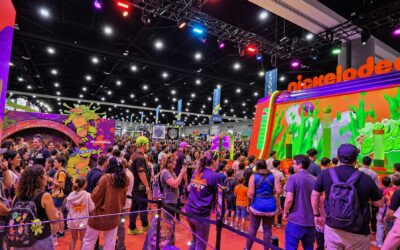
For years, the events industry operated under a simple assumption: bigger experiences generated bigger results. Larger venues, bigger stages, more attendees, and increasingly elaborate productions were viewed as indicators of success. While those elements still play an important role in the event landscape, audience expectations are evolving in ways that challenge conventional thinking. Across conferences, brand activations, sponsorship programs, and live experiences, consumers are becoming less impressed by scale alone and more interested in experiences that feel personal, relevant, and memorable.
At Glow, we are seeing this shift emerge across a wide range of industries. Audiences are increasingly drawn to experiences that create meaningful interactions rather than simply delivering information or entertainment. They want opportunities to connect with people, gain exclusive access, participate in conversations, and feel like active contributors to the experience. As a result, some of the most effective event strategies today are built not around scale, but around intentionality.
This trend reflects a broader change in consumer behavior. People are becoming more selective about how they spend both their time and money. The abundance of content, events, and digital experiences competing for attention has forced consumers to become more discerning. Simply attending another event is no longer enough. Audiences want experiences that provide value beyond what they could receive from a webinar, a social media post, or a streaming platform. They are searching for experiences that feel worth remembering.
One of the primary drivers behind this shift is digital saturation. Professionals spend much of their day navigating emails, video calls, social feeds, messaging platforms, and digital content. While technology has made communication more accessible than ever, it has also increased demand for authentic human interaction. Live experiences offer something increasingly rare in modern life: presence. They create opportunities for people to engage with others in real time, build relationships, and participate in moments that feel tangible and meaningful.
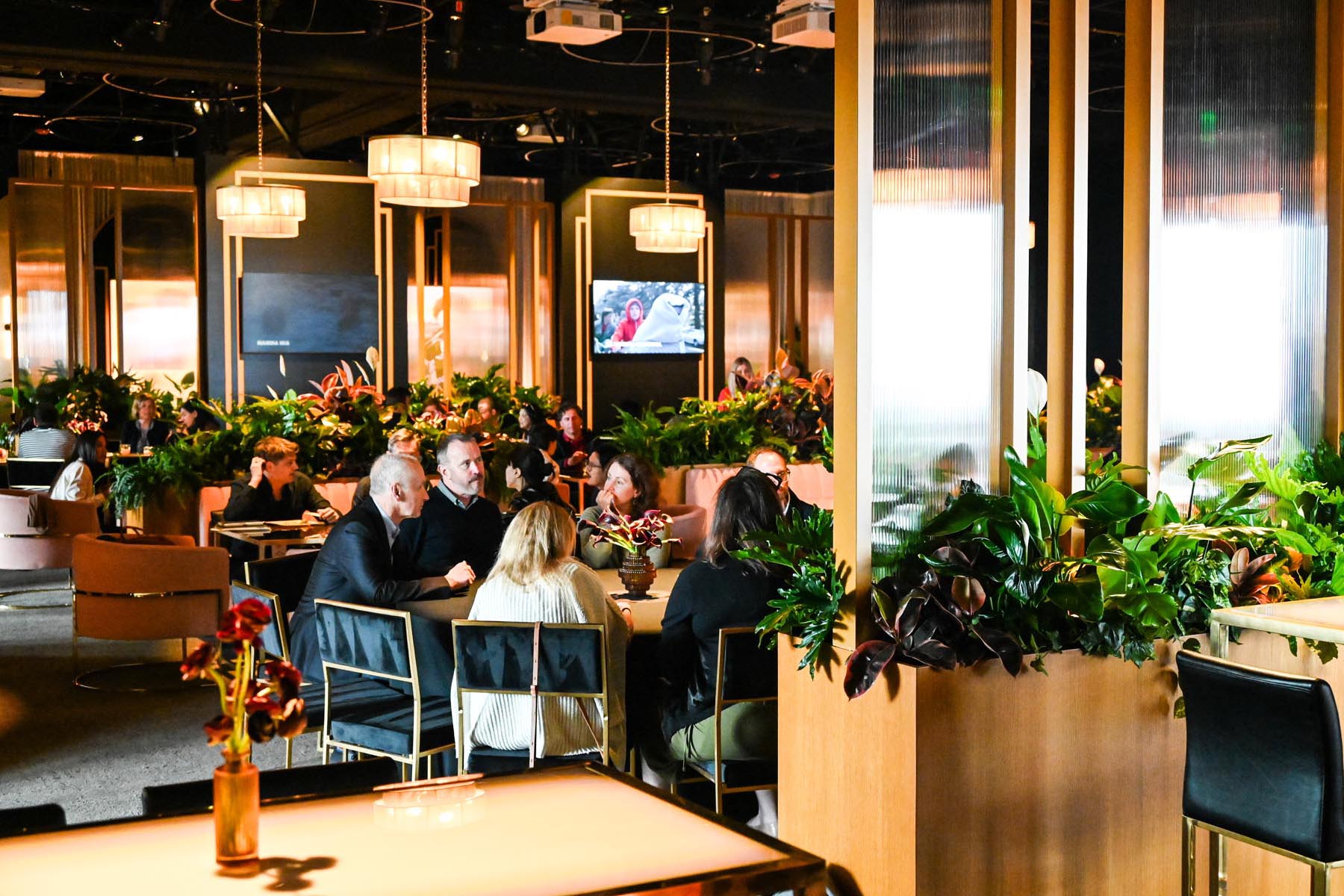
As audience expectations evolve, brands are beginning to recognize the value of what can best be described as premium micro-experiences. These are carefully curated moments that create disproportionate emotional impact. They are not necessarily expensive or elaborate. In many cases, they are surprisingly simple. A private networking session, an intimate fireside conversation, a backstage tour, a personalized welcome experience, or a small-group workshop can often generate more lasting impressions than a large-scale production element.
What makes these moments so effective is their ability to create relevance. Attendees increasingly want experiences that feel designed for them rather than marketed to them. When people feel recognized, included, and valued, engagement naturally increases. The experience becomes memorable not because of how much money was spent creating it, but because of how it made participants feel. Emotional connection is becoming a more important measure of success than spectacle.
This evolution has significant implications for event organizers. Historically, event planning focused heavily on logistics, programming, attendance, and production quality. While those factors remain essential, they are no longer sufficient on their own. Today’s attendees evaluate experiences through a more personal lens. They remember the conversations they had, the introductions that were made, and the moments that felt unique to them. The organizations generating the strongest audience engagement are increasingly investing in curated touchpoints throughout the attendee journey rather than concentrating all resources on a single headline moment.
Sponsors are also benefiting from this shift. Traditional sponsorship models often focused on visibility through signage, logo placement, and impressions. While awareness remains important, brands are increasingly seeking opportunities to create meaningful interactions with attendees. Sponsor-hosted networking events, interactive demonstrations, educational workshops, and premium hospitality experiences allow organizations to move beyond passive visibility and become an active part of the attendee experience. These interactions frequently create stronger emotional connections and more measurable business outcomes.
Looking ahead, the rise of premium micro-experiences reflects a larger transformation taking place within experiential marketing. Consumers are redefining what they value. They are placing greater emphasis on quality, relevance, authenticity, and emotional connection. The events that create the greatest impact are often not the largest or most expensive. Instead, they are the experiences that make attendees feel seen, understood, and connected to something meaningful.
For brands, this presents a powerful opportunity. Organizations that prioritize intentional experiences over transactional interactions will be better positioned to build stronger audience relationships, increase engagement, and create lasting loyalty. In an increasingly crowded marketplace, memorable experiences are becoming one of the most valuable differentiators available.
The future of experiential marketing will not be determined solely by attendance numbers, production budgets, or event scale. It will be shaped by the ability to create meaningful moments that foster genuine connection. Because in a world filled with noise, the experiences people remember are rarely the biggest. They are the ones that made them feel something.